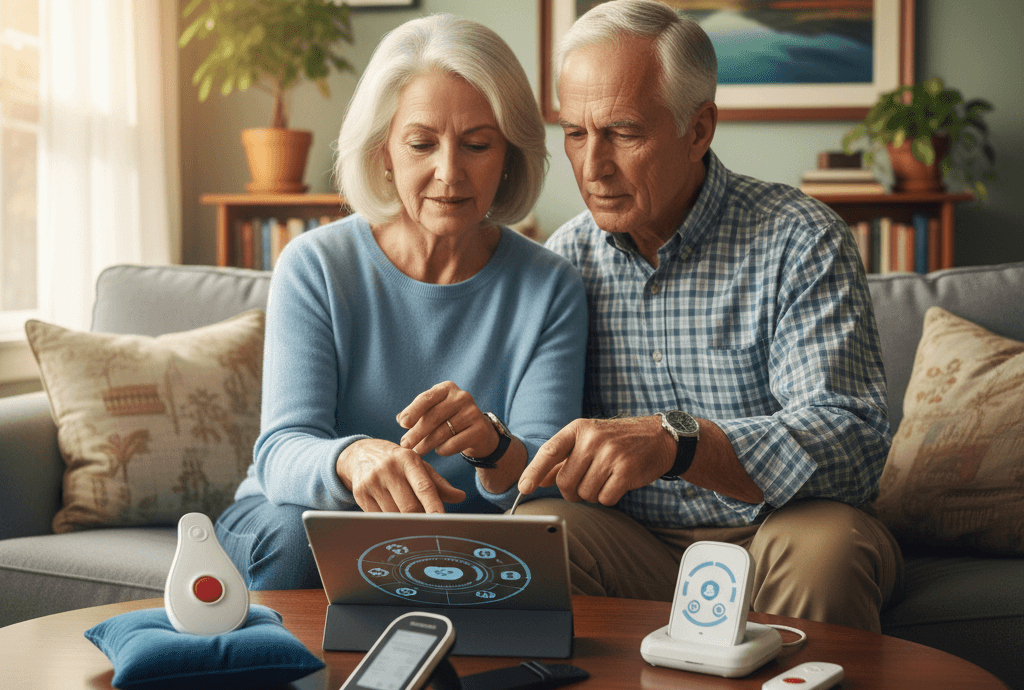
Ensuring the safety and independence of our aging loved ones is a top priority for many families. I often speak with people who worry about falls or sudden health issues when seniors live alone. This concern is very real and understandable. Finding a solution that provides peace of mind while supporting autonomy is essential for everyone involved.
In my experience, a medical alert system can be a game-changer. These devices offer a direct link to help, giving seniors confidence in their daily lives. They also provide relief to family members knowing assistance is just a button press away.
We believe in helping individuals maintain their well-being at every stage of life. Physical safety forms a foundational part of overall health. That is why I want to share my insights on how to select the ideal medical alert system for seniors.
Understanding Medical Alert Systems for Seniors
Medical alert systems are personal emergency response systems. These systems connect an older adult to help with a simple button press. They are designed to provide immediate assistance during emergencies, like a fall or a sudden health event. These systems help seniors live independently for longer.
They bring a sense of security to both the user and their family. I have heard many stories of how these systems have prevented serious outcomes because help arrived quickly.
The Core Purpose of These Systems
The main goal of a medical alert system is to reduce response time in an emergency. Imagine an older adult falls and cannot reach a phone. With a medical alert pendant, they can simply press a button. This action sends an alert to a monitoring center or designated contacts.
This quick notification is critical. It ensures that medical attention or family support arrives without delay. Faster response times can mean the difference between minor injuries and more severe complications.
Types of Systems Available Today
The market offers several types of medical alert systems. Each system has unique features and benefits. Understanding these options helps you make an informed decision for your loved one.
- In-Home Systems: These usually involve a base unit connected to a landline or cellular network. The senior wears a pendant or wristband that works within a certain range of the base unit. These are good for individuals who spend most of their time at home.
- Mobile Systems: These devices include built-in cellular and GPS technology. They allow seniors to get help both inside and outside the home. They are great for active older adults who enjoy outings and maintain a busy lifestyle.
- Fall Detection Systems: Many modern systems include automatic fall detection. These devices can sense a fall and send an alert even if the senior cannot press the button. This technology adds another layer of critical protection.
I find that mobile systems with fall detection are increasingly popular. They offer the most freedom and comprehensive safety coverage. Always consider the senior’s lifestyle when choosing a type.
Key Factors to Consider When You Select the Ideal Medical Alert System for Seniors
Choosing the right medical alert system requires careful thought. Many factors play a role in making the best decision. I always recommend a thorough evaluation of the senior’s specific needs and habits.
This careful approach helps ensure the system will be used effectively and provide true reassurance. It is not a one-size-fits-all product.
Assessing Personal Needs and Lifestyle
First, think about the senior’s daily life. Do they live alone or with others? How active are they outside the home? Are there any specific health conditions that increase their risk of falls or emergencies?
For someone who rarely leaves the house, an in-home system might suffice. But for an individual who enjoys walking, gardening, or visiting friends, a mobile system is a better choice. I have seen mobile systems empower seniors to keep their independence, because they feel secure wherever they go.
Evaluating Device Features and Technology
Look closely at the features each system offers. Some common features include a long-lasting battery, waterproof pendants, and two-way communication directly through the device. The device should be easy to wear and comfortable.
Consider the ease of use. The buttons should be large and easy to press. The device itself must be simple to understand and operate. A complex system will not be used consistently. We want to promote regular use for maximum safety benefits.
Comparing Monitoring Services and Response Times
The quality of the monitoring service is just as important as the device itself. A good medical alert system has a reliable and fast response team. This team is the link between the senior and emergency help.
I always emphasize asking about their procedures and training. Understanding how they handle emergencies helps set expectations. This knowledge also reassures families.
Professional Monitoring vs. Family Contacts
Most medical alert systems offer professional monitoring. This means a trained operator responds to alerts 24/7. They assess the situation and dispatch appropriate help, such as paramedics or family members.
Some simpler systems might only alert family or friends. While this can work, it relies on family members being available at all times. Professional monitoring offers consistent, immediate support, which I believe is crucial for true emergency situations. For many, a combination of professional monitoring with family notification is the ideal setup for choosing senior alert systems.
What to Expect During an Emergency
When an alert is triggered, the monitoring center typically tries to speak with the senior through the device’s two-way speaker. This allows them to understand the situation directly. If they cannot make contact, or if the senior confirms they need help, the operator dispatches emergency services or contacts pre-selected individuals.
It is important that the monitoring center has accurate contact information and medical history on file. This information helps them provide the most appropriate response. Always update this information regularly so it is current.
Navigating Costs and Contracts for Senior Safety
The financial aspect of a medical alert system is a practical consideration for many families. Prices can vary significantly based on features and monitoring plans. I advise looking beyond the initial cost to understand the full financial commitment.
It is wise to compare different providers and their pricing structures. This comparison helps you find a system that fits your budget without compromising safety.
Understanding Subscription Fees
Most medical alert systems operate on a subscription model. This fee covers the 24/7 monitoring service and often the rental of the equipment. Monthly costs can range widely. Some companies offer discounts for annual payments.
Make sure you understand what the subscription includes. Are there extra charges for fall detection or mobile services? Knowing these details upfront prevents surprises later on. Always ask for a clear breakdown of all costs associated with the service.
Avoiding Hidden Charges
I have heard stories where hidden fees caused frustration. Some providers might charge activation fees, installation fees, or equipment replacement costs. Always read the contract carefully before signing.
Ask about cancellation policies and return procedures for equipment. A transparent company will provide all this information clearly. We believe in complete honesty when it comes to service agreements. This way, families can budget appropriately for their senior’s safety system.
Choosing Advanced Features for Enhanced Protection
Modern medical alert systems offer more than just basic emergency buttons. Many include advanced features designed to provide even greater protection and convenience for seniors and their caregivers. These innovations improve overall well-being.
I find that these added functionalities can make a significant difference in a senior’s confidence and a family’s peace of mind. They extend the system’s utility beyond just emergencies.
GPS Tracking and Fall Detection
GPS tracking is a key feature for mobile medical alert systems. It allows responders to pinpoint a senior’s location quickly, especially when they are away from home. This is incredibly useful if someone gets lost or has an emergency while out and about.
Automatic fall detection uses sensors to identify sudden movements that indicate a fall. When a fall is detected, the system automatically sends an alert. This feature is important for seniors at high risk of falling or who might be unconscious after a fall. It adds a layer of safety that does not rely on manual button pressing.
Medication Reminders and Activity Monitoring
Some advanced systems now offer medication reminders. These can be customized to alert seniors when it is time to take their medicine. This helps ensure adherence to vital health regimens. It is a simple feature that provides great value.
Activity monitoring tracks a senior’s typical movement patterns. If there is a significant deviation, such as no movement for an extended period, the system can alert caregivers. This provides an early warning if something might be wrong. It is a proactive way to check on a senior’s well-being without being intrusive.
My Personal Insights on Senior Alert Systems
Over the years, I have seen many families face the decision of getting a medical alert system. My advice always comes from a place of understanding that each senior is unique. What works for one person might not work for another.
I believe the best system is one that the senior feels comfortable using. It must fit seamlessly into their daily routine. A system that feels cumbersome or embarrassing will likely go unused, defeating its purpose.
I encourage open conversations between seniors and their families about these devices. Discuss fears, preferences, and expectations. This collaboration ensures that the chosen system respects the senior’s dignity and promotes their sense of independence.
Remember, a medical alert system is an investment in peace of mind. It is a tool that supports continued independent living. This tool also offers a safety net for unexpected moments. Prioritizing comfort and ease of use will lead to the most successful outcome.
Making an Informed Decision for Senior Well-being
Selecting the ideal medical alert system for seniors is a critical decision that balances independence with safety. I have shared my thoughts on the various system types, important features, and service considerations to help you. We have explored everything from basic in-home units to mobile devices with advanced fall detection and GPS capabilities. We also looked at the differences between professional monitoring and relying on family contacts, and how to navigate the costs and contracts associated with these services. Remember that the perfect system is one that aligns with the senior’s lifestyle and specific needs. It should be easy to use and provide reliable, swift assistance when it matters most. Take the time to research providers, compare features, and have open conversations with your loved one. This careful approach ensures you choose a solution that genuinely enhances their safety and maintains their quality of life. Empowering seniors with a dependable medical alert system can bring profound peace of mind to everyone in the family, so start your research today.

Advertisement

Advertisement

Sponsor