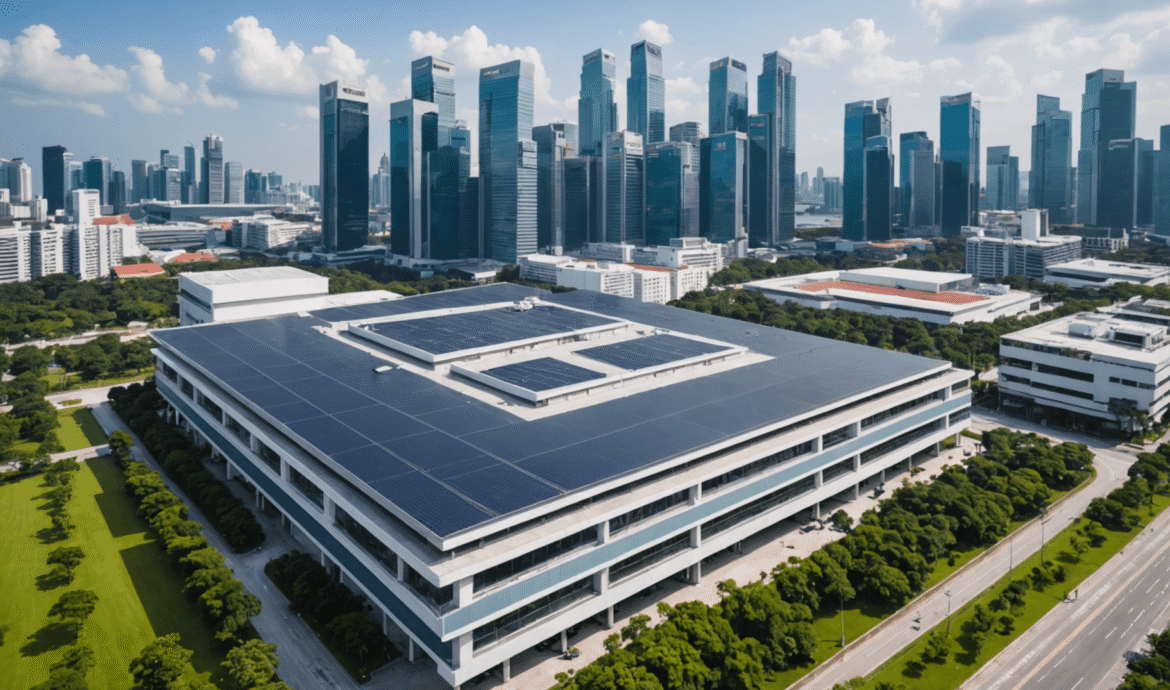
In hot and sticky places like Singapore, knowing how roofs handle heat matters a lot. A well-built roof does more than block rain and sun—it helps keep homes cool and cuts down on power bills. With energy prices climbing and people caring more about the planet, lots of homeowners and builders want to figure out how roofs work with the local weather and find smart tricks to make them perform better. If staying cool and saving money sounds good, diving into roof science could change how you see your home.
Many factors influence how well a roof manages heat transfer, including materials used, insulation, ventilation, and the design itself. Grasping these elements helps in making informed decisions when constructing or renovating properties. Beyond comfort and cost savings, a roof with superior thermal performance can also extend its lifespan by minimizing thermal stress and moisture-related issues. This article explores the key scientific principles, practical methods, and innovative solutions involved in enhancing roof thermal performance in Singapore.
Understanding the Principles of Roof Thermal Performance
The Science of Heat Transfer
At its core, roof thermal performance revolves around controlling heat transfer, which occurs through three main mechanisms: conduction, convection, and radiation. Conduction involves heat passing through solid materials, such as roofing panels or insulation layers. Convection involves heat movement through air or fluid movement, which can happen above or within the roof structure. Radiation pertains to heat transfer via electromagnetic waves, primarily from the sun.
In Singapore’s hot climate, radiation from the sun is a significant contributor to indoor heat gain. Effective roof design aims to minimize these heat exchanges to keep indoor spaces cooler and reduce the need for air conditioning. Understanding the scientific basis of these processes allows for strategic choices in materials and construction techniques that can substantially influence a building’s thermal comfort.
Material Choices for Enhanced Roof Insulation
Highlights of Insulation Materials
Selecting the right insulation materials is vital for controlling heat flow into the building. Typical options include fiberglass batts, foam boards, reflective foil insulation, and spray foam. Each material has unique properties that influence thermal performance in Singapore’s climate.
- Reflective Foil Insulation: Works by reflecting radiant heat away from the roof surface, reducing heat absorption.
- Polyurethane Foam: Offers high R-values and excellent air sealing, limiting heat transfer.
- Mineral Wool: Provides good thermal resistance along with fire protection and soundproofing.
Proper installation is equally important. Gaps or compression can reduce insulation effectiveness, allowing heat to seep through. Incorporating reflective surfaces and multiple layers can further diminish heat gain. When choosing insulation, consider factors like lifespan, environmental impact, and compatibility with other roofing components.
Design Strategies for Minimizing Solar Heat Gain
Roof Reflectance and Surface Treatments
One of the most straightforward ways to improve thermal performance is through surface modifications. Light-colored or reflective roofing materials, often termed “cool roofs,” can reflect a significant portion of solar radiation. Such surfaces typically have a high Solar Reflectance Index (SRI), which directly correlates with reduced heat absorption.
Applying cool roof coatings or reflective paint can be a cost-effective solution to improve existing roofs. Furthermore, incorporating design elements such as roof overhangs, shading devices, or light-colored pavers can prevent direct sunlight from hitting the roof surface, thereby reducing the heat transferred into the building.
Ventilation Techniques to Enhance Roof Cooling
Natural and Mechanical Ventilation
Proper roof ventilation helps expel hot air trapped beneath the roof deck, thereby lowering indoor temperatures and protecting roofing materials from heat-related damage. Natural ventilation methods include ridge vents, soffit vents, and adjustable louvers that promote airflow without the need for power. Mechanical systems, such as exhaust fans, can be implemented where natural airflow is insufficient.
In Singapore, integrating ventilation with insulation strategies provides a dual benefit. While insulation limits heat flow from outside, ventilation prevents heat buildup within the roof space. This combination is especially effective in tropical climates, where passive cooling methods are preferred.
Utilizing Green Roofing and Vegetation
Benefits of Green Roof Systems
Green roofs, with their layer of vegetation, can significantly diminish heat transfer through processes like evapotranspiration and shading. The plants absorb sunlight, reducing the amount of heat that reaches the structural roof underneath. Additionally, green roofs provide insulation benefits, contributing to lower indoor temperatures.
Implementing a green roof system involves careful planning, including selecting suitable plants, ensuring structural integrity, and managing water drainage. In Singapore’s humid environment, choosing drought-tolerant, native plants can minimize maintenance and maximize thermal benefits. This eco-friendly approach also helps manage stormwater runoff and improves air quality.
The Role of Proper Waterproofing in Thermal Efficiency
Many may overlook the importance of waterproofing when considering roof performance, yet it plays a vital role in maintaining thermal integrity. Water leakage or trapped moisture can compromise insulation materials, causing them to lose effectiveness and potentially leading to structural damage.
For reliable waterproofing solutions in Singapore, engaging professionals to ensure the roof is sealed and durable is key. Visit Waterproofing solutions in Singapore to learn about advanced protective measures. Proper waterproofing not only protects the roof but also preserves its insulative properties, ensuring consistent thermal performance over time.
Monitoring and Maintaining Roof Thermal Performance
Technologies and Practical Tips
Continual monitoring can help detect issues like insulation degradation or ventilation blockages before they affect comfort or increase energy costs. Infrared thermography is one technique used to visualize temperature differences across the roof surface, revealing hotspots or insulation gaps.
Regular maintenance, including cleaning gutters, checking for damage, and reapplying reflective coatings, extends the lifespan of roofing components. Employing energy-efficient sensors or smart systems can provide real-time data on indoor temperature fluctuations, guiding necessary adjustments to insulation or ventilation strategies.
Conclusion: Building for Comfort and Sustainability
Understanding the science behind roof thermal performance in Singapore enables homeowners and builders to make smarter choices that translate into real benefits. From selecting the right materials to implementing effective design strategies, each step contributes toward reducing indoor heat gain, lowering energy bills, and extending the life of the roof. Incorporating reflective surfaces, enhancing ventilation, and considering green roofing options all play vital roles in confronting Singapore’s challenging climate.
Proper waterproofing stands as an essential foundation for maintaining insulation effectiveness, and partnering with experienced providers ensures durability and reliability. As more people recognize the importance of thermal management, innovative solutions continue to emerge, making it easier to create comfortable, energy-efficient spaces.
If you’re planning a roof renovation or new build, take the time to explore these scientific principles and practical strategies. Taking proactive measures will not only improve your immediate comfort but also contribute to long-term sustainability. For expert guidance on protecting your roof from moisture and damage, consider consulting Waterproofing solutions in Singapore. Embracing these practices today paves the way for a cooler, greener, and more comfortable tomorrow.

Advertisement

Advertisement

Sponsor